BitLife Bank Robbery Guide: Plan the Job and Escape Cleanly
A practical game walkthrough for preparing a robbery, choosing the right risk level, protecting the payout, and dealing with heat after the job.


Players who search for a BitLife bank robbery guide normally want a reliable decision path, not a real-world crime lecture. The in-game activity is a short risk-and-reward sequence: you prepare the life, open the crime menu, read the available job, choose whether the payout is worth the danger, and then live with the result. A good run is measured by what happens in the following years, not only by the number shown on the reward screen.
This page focuses on that complete loop. It covers the character conditions that make a robbery attempt less fragile, the questions to ask before pressing the action button, the choices that help after an escape, and the warning signs that mean you should slow down. It does not claim a single guaranteed answer because BitLife can change prompts, requirements, and event outcomes between versions or feature packs.
Prepare the Character Before the Robbery
A bank robbery is easier to recover from when the character already has room for a bad event. Preparation is not about building a perfect criminal stat sheet; it is about keeping one failure from ending the life immediately.
- Reach the right age — Crime activities are normally more useful once the character is an adult. If the bank option is missing during childhood, age up through the ordinary life stages instead of rerolling every menu.
- Keep health above the danger zone — An injury, arrest, or random event can remove several years from a run. Finish the job with enough health to absorb a second event and do not begin with a character already close to a critical condition.
- Hold a cash buffer — The robbery reward is not immediate protection. Keep money for housing, family, medical events, legal trouble, and ordinary expenses so one failed attempt does not create a second crisis.
Best preparation rule
Build a stable adult character first, keep a reserve of health and cash, and decide what the money is for before choosing the robbery. A smaller successful run is usually more useful than a dramatic attempt that ends the life.
How to Plan a Bank Robbery in BitLife
When the bank activity appears, pause and compare the whole route. The game may show a target, method, team, vehicle, or payout choice. Treat each option as a trade-off between money now and the number of safe years left in the life.
- Open Crime at a safe moment — Do not start the job immediately after a health crisis, a relationship collapse, or another high-risk event. Finish the ordinary year first when the character needs stability.
- Read every displayed consequence — Look for words that signal heat, witnesses, injury, police attention, or a difficult escape. If the screen gives only a vague result, choose the option that preserves a future recovery path.
- Match the job to the life goal — Pick a route that supports the challenge or wealth plan. A character who needs a clean public career should not spend the only healthy life on a high-heat attempt just for a larger number.
- Leave an escape buffer — Keep enough health, money, and age left to handle the result. The robbery is one event; the following years decide whether the payout becomes useful or becomes evidence against the run.
- Commit once, then inspect the result — After confirming the job, read the new status, cash balance, health, and any heat indicator. Do not immediately stack another crime before understanding what changed.
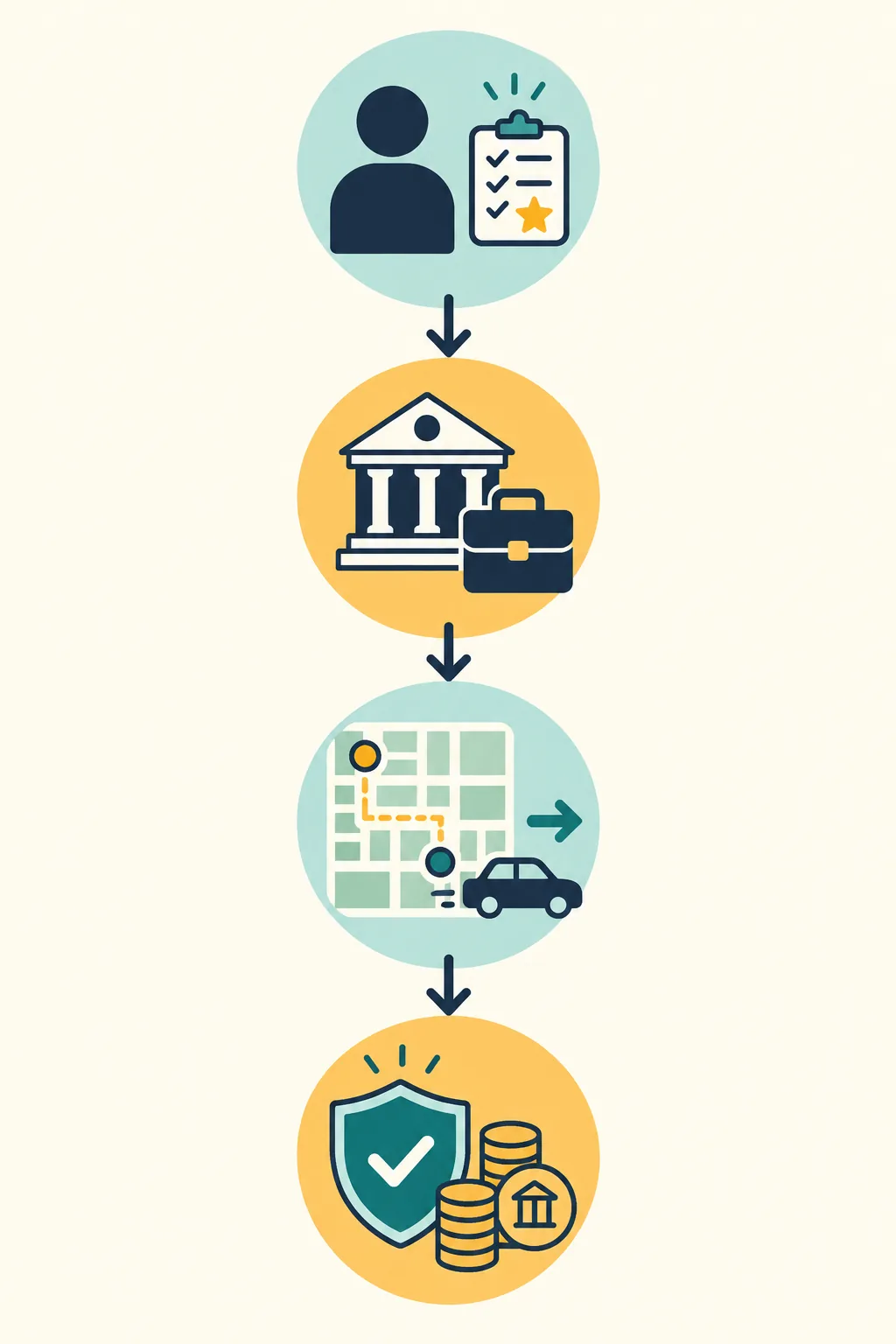
| Stage | Main focus | What to watch |
|---|---|---|
| Prepare | Build health, cash, and a clear life goal. | Age, feature access, and existing obligations. |
| Choose | Read the job and compare payout with heat. | Witness, police, injury, and escape signals. |
| Escape | Keep one recovery resource after the result. | Health, cash, relationships, and arrest status. |
| Recover | Secure the money and return to a calmer routine. | The next event and any challenge condition. |
Handle the Escape After the Job
The escape phase is where many bank robbery runs become unstable. A successful payout can be followed by police attention, an injury, a relationship problem, or a prison sentence. Your goal is to make the next year boring enough for the character to recover.
If the game presents multiple escape or getaway choices, compare the risk signal with the character's current condition. A fast option is not automatically better when the life has low health or no savings. Look for the choice that leaves at least one defensive resource: a usable cash balance, a living relationship, or enough years to repair the damage.
- Check health first — An injured character has less room for another random event. Choose recovery and ordinary activities before looking for a second crime.
- Separate cash from visible spending — A new bank balance can tempt you to buy everything at once. Keep a reserve so the character can survive legal, family, or medical costs.
- Watch the next prompt — The first post-robbery year may reveal whether the game has raised suspicion. Read the event instead of assuming that a successful payout means the route is finished.
Protect the Payout and Turn It Into Progress
A bank robbery guide should explain what to do with the reward, not only how to get it. Treat the payout as a tool for the rest of the life: remove immediate pressure, fund a goal, and keep enough untouched for the next surprise.
- Stabilize basic needs — Cover housing, health, and family obligations before making a luxury purchase. A stable life gives the money time to compound through ordinary choices.
- Reserve the next few years — Keep an emergency amount that can cover events without another crime. The right size depends on the life, but the principle is constant: do not spend the only safety net.
- Fund the intended objective — Use the money for the challenge, career, business, or relationship goal that justified the risk. This keeps the robbery connected to the story of the run.
- Avoid a noisy spending streak — Buying several conspicuous items directly after a high-heat event can make the run feel unstable and can waste the reward. Spread optional spending across calmer years.
- Record what changed — Note the prompt, the payout, the escape result, and the next status. A short record is more useful than a fixed answer chart when future versions adjust the event.
Manage Heat, Health, and Risk
The best question is not how to get the biggest bank robbery payout. It is whether the result keeps the life playable. Use this three-part check whenever the game offers a larger reward or a more dramatic method.
| Signal | What it may mean | Safer response |
|---|---|---|
| Large payout | The job may expose the life to more heat or a harder escape. | Choose it only when the extra money supports a real goal. |
| Low health | Another random event could end the run. | Recover first or choose the least volatile route. |
| No cash reserve | A failure will create a second crisis after the robbery. | Build ordinary savings before committing. |
| New suspicion | The payout succeeded but the risk has not ended. | Stop stacking crimes and let the run cool down. |

- Payout versus heat — A high reward can carry a stronger police or witness signal. If the character has another goal to finish, choose the lower-heat route unless the extra money solves a real problem.
- Health versus speed — Fast actions are tempting when the game is moving, but a weak character may not survive the next event. Slow down when health is already low.
- Cash versus recovery — Do not count the visible reward as spendable until the life has survived the following year. Keep money for the cost of being unlucky.
Mistakes That Ruin a Bank Robbery Run
Most failed attempts come from stacking small risks. Avoid these habits and the same character can recover from more outcomes.
- Chasing the largest number — A bigger payout is not a win if the character is arrested, injured, or unable to complete the goal that mattered.
- Repeating the job immediately — A successful event gives you information and money. Use both before adding another high-risk action.
- Ignoring the current menu — Older guides may use labels or routes that are no longer shown. Read the present screen and translate the goal instead of forcing a missing option.
BitLife Bank Robbery FAQ
References
- Official support context: BitLife Support
- Community mechanics context: BitLife Wiki crime reference
Last updated: October 11, 2026