How to Get a Nobel Prize in BitLife: Research Route Guide
A practical Nobel route for building the right stats, entering the space career, choosing strong discoveries, publishing research, and recovering when the award does not trigger.

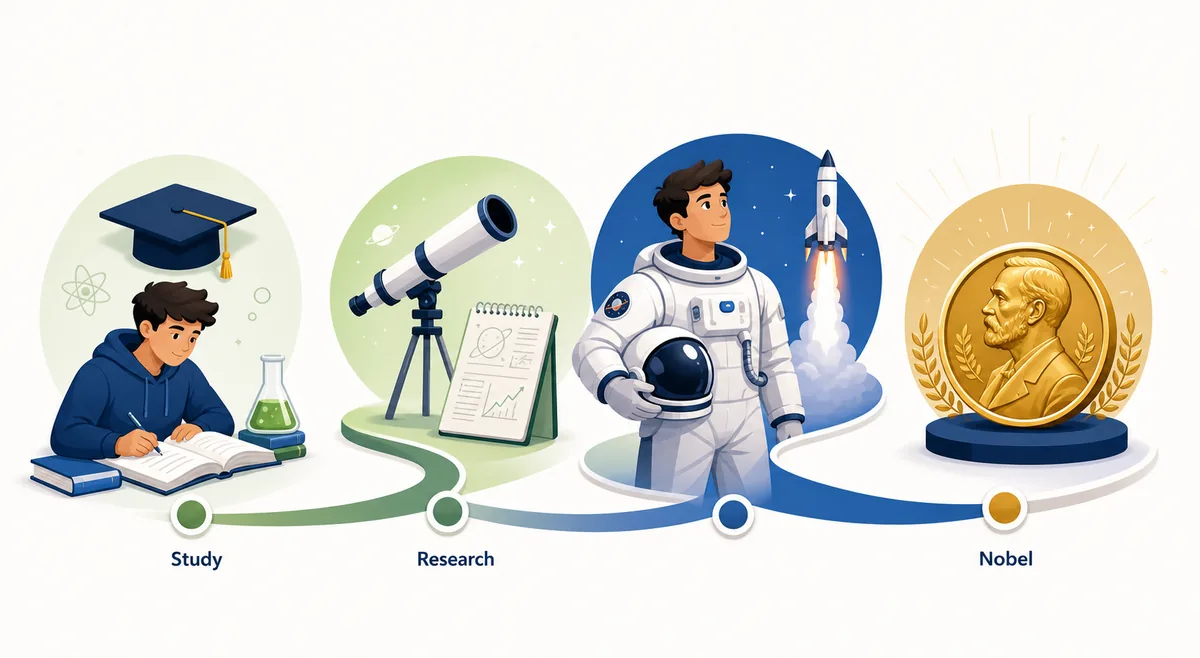
Players searching for how to get a Nobel Prize in BitLife usually want a narrow answer, not a general career guide. The practical route is tied to science, space, and research quality. A character who only has a random job and average Smarts is unlikely to create the kind of discovery that earns the prize.
The Nobel path overlaps with astronaut planning, but it has a different goal. The astronaut guide helps you enter the space career; this page focuses on what to do after the route opens: which discoveries to treat seriously, when to publish, why weak papers fail, and how to keep trying without ruining the life.
BitLife updates, expansion packs, and menus can vary, so treat this article as a decision map rather than a fixed screenshot transcript. The important pattern is stable: build a credible scientist, reach a research-heavy role, collect meaningful discoveries, publish strong work, and stay patient through repeated attempts.
The Best Route to a Nobel Prize in BitLife
The strongest Nobel route starts early. Build Smarts, protect Health, study hard, and choose an education path that makes a science or space career believable. Physics, biology, chemistry, engineering, mathematics, or a similar technical subject makes more sense than a random arts degree if your whole run is built around research.
After school, move toward a space or research career when the option exists. In many player routes, the astronaut path is the cleanest bridge because it can expose the character to probes, scans, and publishable space discoveries. Once you are in that loop, do not publish everything blindly. Save attention for discoveries that look significant, repeat scans, and keep the character's reputation clean.
The prize may not appear immediately after one publication. Think of it like a long reputation system: strong education, relevant career, repeated discoveries, careful publication, and enough time for recognition. If one paper fails, improve the next attempt instead of abandoning the run.
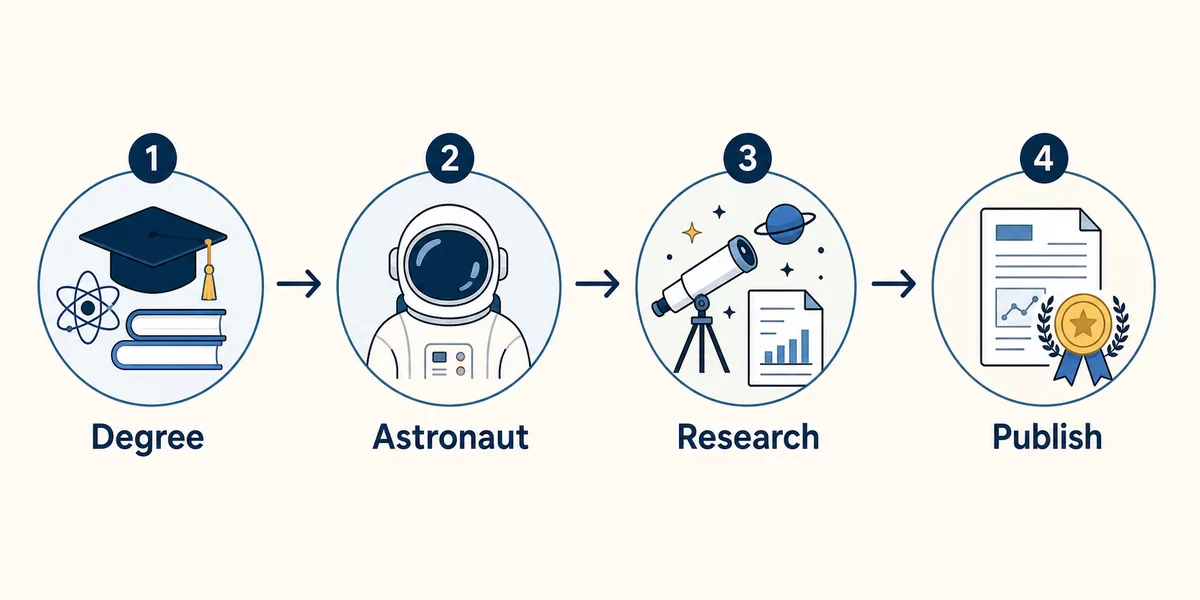
Stats, Education, and Setup Before You Publish
A Nobel run is easier when the character is built for credibility before the research phase begins.
| Setup step | Goal | What can go wrong |
|---|---|---|
| High Smarts | Make science education and research success more believable. | Low Smarts can make the run feel inconsistent or harder to route. |
| Science-friendly degree | Support astronaut, research, or technical careers. | A random degree may still work for other goals but does not help Nobel intent. |
| Clean record | Keep career options open and protect professional credibility. | Crime, addiction, and scandals can interrupt the research path. |
| Astronaut or research role | Open access to discoveries that can become publishable papers. | A normal job may not offer the same discovery loop. |
| Repeated publication attempts | Give the game enough strong research chances to trigger recognition. | One weak publication rarely proves that the route is finished. |
How to Run the Research and Publication Loop
Once the space or research path is active, your yearly routine matters more than one lucky button. Check the available research or scan actions, choose the most promising discovery, and avoid publishing low-value work just because it is available. Quality is more important than quantity.
If the game shows hints about discovery quality, rarity, or scientific importance, use those hints. A strange signal, deep-space anomaly, or high-quality finding is a better Nobel candidate than a routine observation. If the paper looks weak, continue gathering stronger data before treating it as the main attempt.
- Scan or research consistently - Use each year to create chances for meaningful findings instead of skipping the career loop.
- Pick high-quality discoveries - Prioritize discoveries that feel rare, important, or scientifically serious.
- Publish carefully - Publish when the finding looks strong enough to matter, not whenever a small result appears.
- Keep the life clean - Avoid crime, addiction, reckless public choices, and job problems that interrupt the research career.
- Repeat after failure - No award after one paper does not mean the route is dead. Keep building discoveries and reputation.
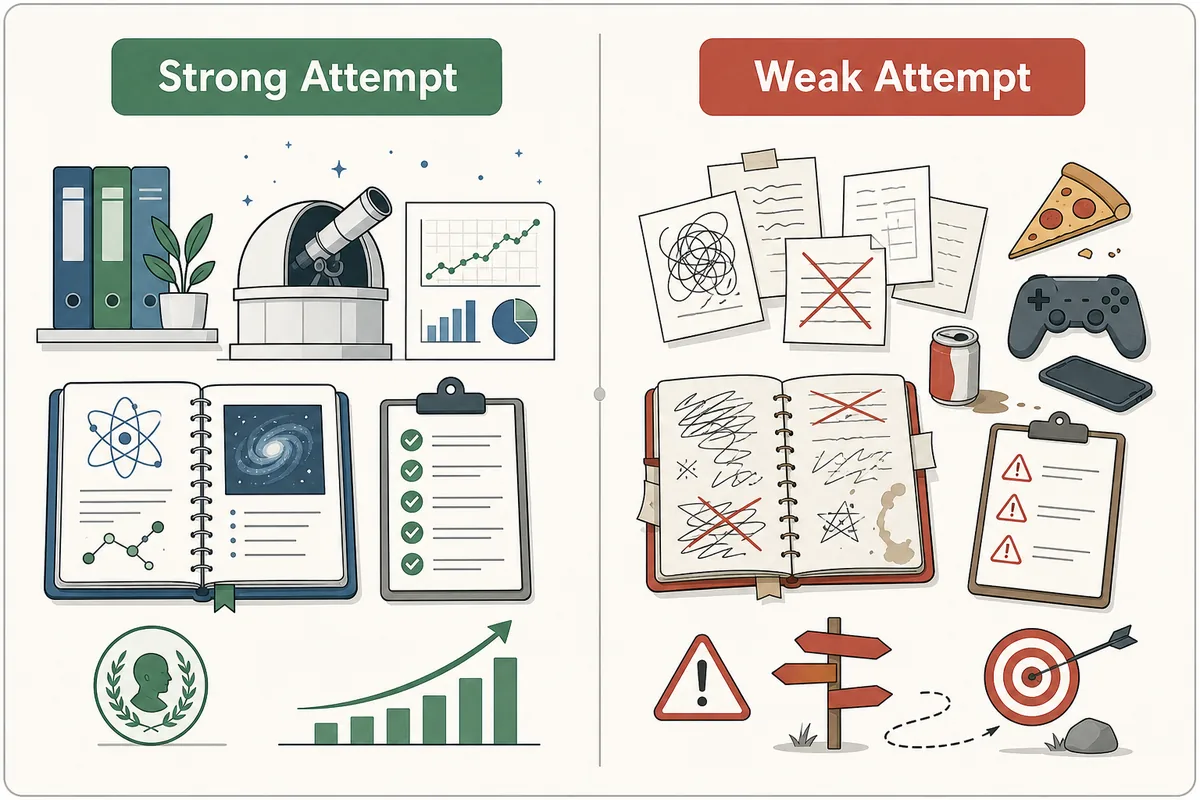
Strong Nobel Attempt vs Weak Nobel Attempt
Use this comparison to decide whether your current life is ready for a serious Nobel push.
| Signal | Strong attempt | Weak attempt |
|---|---|---|
| Career fit | Astronaut, scientist, or technical research path. | Unrelated job with no discovery loop. |
| Discovery quality | Rare, serious, or high-value findings. | Routine observations published too quickly. |
| Life stability | Healthy, educated, clean record, steady career. | Scandals, job loss, addiction, or random chaos. |
| Publishing behavior | Selective papers after strong research. | Publishing anything available without judging quality. |
| Patience | Multiple serious attempts across a long career. | Restarting immediately after one failed paper. |
Common Nobel Prize Mistakes
Most failed attempts come from treating the prize like a random achievement instead of a research career.
- Starting with low Smarts - You can still play the life, but a research-focused prize route is easier when Smarts are strong from childhood.
- Choosing an unrelated life path - Crime, casino, model, or royalty routes can be fun, but they do not naturally support a Nobel research story.
- Publishing weak discoveries - A low-value paper may not create enough recognition. Wait for stronger findings when possible.
- Quitting after one failed paper - The award can require repeated serious attempts, so keep researching if the career is still healthy.
- Ignoring the astronaut setup - If the route depends on space research, use the astronaut guide first to build the right career foundation.
BitLife Nobel Prize FAQ
References
- Official BitLife support center: BitLife Support
- Related on-site career route: BitLife astronaut guide
- External route example: Prima Games Nobel Prize guide
Last updated: June 30, 2026